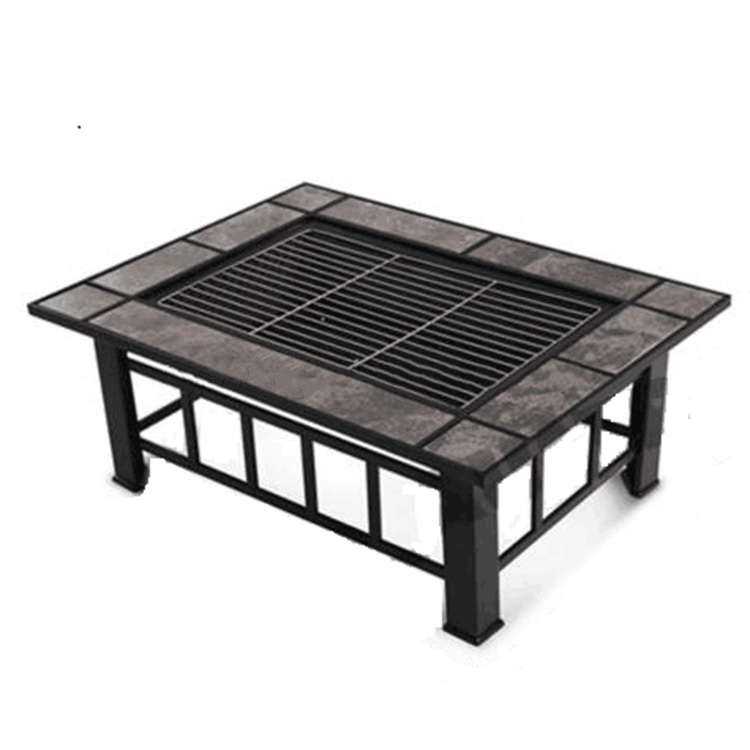
Outdoor living spaces continue to evolve, and the modern Fire Pit Table has become a central feature in many backyards. A stable flame experience is often disrupted by wind, especially in open spaces where an Outdoor Patio Fire Pit is installed. This is where a wind guard becomes a practical addition rather than a luxury accessory.
Wind influence does more than just disturb the visual flame—it affects heat efficiency, fuel consumption, and safety around the fire feature. Our company works with outdoor fire equipment design and understands how airflow control directly impacts user experience.
Wind hitting a fire table burner causes uneven flame movement and reduces combustion efficiency. A glass wind shield structure helps stabilize airflow around the burner area.
Technical setups commonly use 6mm–8mm tempered glass with polished edges, designed to withstand high thermal expansion without cracking under normal operating conditions.
Unprotected fire tables often lose heat energy due to lateral airflow disruption. A properly designed wind guard helps concentrate thermal radiation.
Testing from outdoor appliance engineering shows that stabilized flames can improve usable radiant heat distribution by reducing wind-related energy loss.
A fire table is a controlled open flame system, and physical separation is important in residential environments.
This barrier function is especially important in high-traffic outdoor dining setups where people frequently interact around the fire feature.
Modern wind guard systems rely on engineered durability rather than decorative glass alone.
Typical specifications include:
These details ensure that the wind guard remains stable even during prolonged outdoor exposure.
Different fire table shapes require tailored wind protection structures.
Proper sizing ensures at least a small clearance gap between burner edge and glass wall, which helps maintain combustion airflow balance.
Wind guard systems are low-maintenance but still require periodic care to maintain clarity and safety performance.
A stable maintenance routine extends the lifespan of both the wind guard and the fire system itself.
Most wind guards are designed for quick installation without tools.
This flexibility allows users to switch between open and protected flame modes depending on weather conditions.
Wind behavior varies significantly depending on patio layout and surrounding structures.
A wind guard becomes more valuable as exposure increases, especially in open-air patio environments.
Our company focuses on precision outdoor equipment components and understands how airflow control impacts combustion systems. Wind management is not only a comfort factor but also an engineering requirement for stable flame performance.
Design priorities we emphasize include:
These principles help ensure a consistent user experience across varying outdoor conditions.

Wuyi Qixing Machinery Technology Co., Ltd. is committed to providing high-quality, durable and environmentally friendly products for outdoor leisure and entertainment venues.
Further negotiation?
We are glad to hear from you.
* We promise never to disclose your privacy.

Building 3-4#, Wangzhai Village, Jiangnan Industrial District. Wangzhai Town, Wuyi, Jinhua City, Zhejiang, China.

+86-13967960360
+86-15258989007


© 2023 Wuyi Qixing Machinery Technology Co., Ltd.
Outdoor Leisure Products




 中文简体
中文简体 西班牙语
西班牙语 阿拉伯语
阿拉伯语

Contact Us