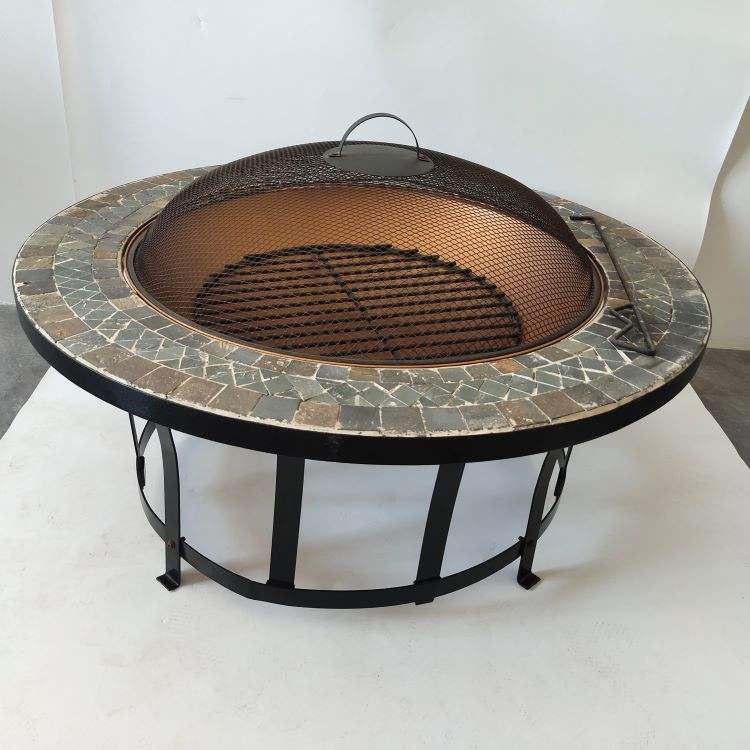
Cold air, snow, moisture, and freezing temperatures can shorten the service life of outdoor heating equipment. A properly protected Fire Pit Table stays safer, cleaner, and easier to restart in spring. Many homeowners invest in an Outdoor Patio Fire Pit to create a warm gathering space, yet winter maintenance is often overlooked until rust, ignition failure, or gas leakage appears.
Gas fire pit tables commonly operate between 32,000 BTU and 60,000 BTU, depending on burner size and fuel configuration. Stainless steel burners, powder-coated frames, electronic igniters, and lava rock systems all require different winter protection methods.
Outdoor environments leave behind leaves, dust, insects, grease, and ash-like residue from combustion. Dirt buildup traps moisture during winter and increases corrosion risk.
Our company recommends starting with a full surface cleaning:
Many propane fire pit systems use stainless steel burners with small gas outlet holes. Blocked burner ports can cause uneven flames or delayed ignition after winter storage. Some users also report ignition issues caused by dirt accumulation around the spark system.
Avoid aggressive wire brushes on coated metal surfaces because damaged coatings accelerate rust formation.
Winter storage should always include fuel system inspection. Propane cylinders exposed to snow and standing water may develop valve corrosion or regulator damage.
Recommended procedure:
Never store propane tanks inside enclosed residential spaces.
Many modern fire pit tables use standard 20 lb propane cylinders with hidden tank compartments. Proper ventilation remains important even during off-season storage.
Our company also recommends checking the regulator hose for:
A damaged hose can affect flame stability during the next operating season.
Burners represent the core heating component of a gas fire pit system. Stainless steel burners resist corrosion better than ordinary steel, but prolonged exposure to snow and ice still creates problems over time.
Common burner materials include:
| Burner Material | Winter Resistance | Typical Lifespan |
| Stainless Steel 304 | High | 5–8 years |
| Powder-Coated Steel | Medium | 3–5 years |
| Aluminum Alloy | High | 5+ years |
Several outdoor fire pit models now use rust-resistant stainless steel burners and powder-coated frames to improve outdoor durability.
Our company suggests these winterization methods:
Complete airtight sealing may trap condensation inside the burner chamber.
A protective cover is one of the simplest ways to extend product lifespan. However, poor-quality covers often create more moisture problems than protection.
A proper winter cover should include:
Many commercial gas fire pit tables already include weatherproof covers during purchase packages.
Our company recommends elevating the cover slightly above the tabletop center to improve airflow and reduce condensation buildup.
Avoid thin plastic tarps without ventilation because trapped moisture accelerates corrosion on burners, ignition modules, and fasteners.
Electronic ignition systems are sensitive to humidity and freezing temperatures. Battery-powered igniters especially require inspection before long-term winter storage.
Maintenance checklist:
Integrated push-button ignition systems are widely used in modern gas fire pit tables because they improve convenience and startup reliability.
Our company recommends replacing ignition batteries every new season rather than waiting for startup failure.
Outdoor heating products constantly face UV exposure, rain, snow, and temperature fluctuation. Surface coatings play a major role in preventing structural deterioration.
Popular outdoor fire pit finishes include:
Manufacturers increasingly use rust-resistant coatings and weatherproof materials to improve durability in outdoor conditions.
Our company advises applying a thin protective metal conditioner or outdoor-safe anti-corrosion spray on exposed hardware before winter arrives.
Focus especially on:
Accessories often deteriorate faster than the fire pit body itself.
Store these items indoors:
Wind guards made from tempered glass should never remain exposed to freezing water accumulation because repeated freeze-thaw cycles increase cracking risk.
Winterization does not end with storage. A careful restart inspection protects users and improves burner performance.
Our company recommends the following startup routine:
Many propane fire pit tables generate between 40,000 and 60,000 BTU for outdoor heating applications. Stable flame distribution indicates proper gas pressure and clean burner ports.
Uneven flame patterns may indicate:
A gas fire pit table is both a heating appliance and an outdoor furniture centerpiece. Seasonal maintenance reduces repair costs, improves ignition reliability, and helps preserve appearance through multiple winters.
Our company believes proper winterization should become part of every outdoor patio maintenance routine. Clean burners, dry fuel connections, ventilated covers, and corrosion prevention methods all contribute to longer service life and safer operation.

Wuyi Qixing Machinery Technology Co., Ltd. is committed to providing high-quality, durable and environmentally friendly products for outdoor leisure and entertainment venues.
Further negotiation?
We are glad to hear from you.
* We promise never to disclose your privacy.

Building 3-4#, Wangzhai Village, Jiangnan Industrial District. Wangzhai Town, Wuyi, Jinhua City, Zhejiang, China.

+86-13967960360
+86-15258989007


© 2023 Wuyi Qixing Machinery Technology Co., Ltd.
Outdoor Leisure Products




 中文简体
中文简体 西班牙语
西班牙语 阿拉伯语
阿拉伯语
Contact Us