
A lot of backyard chefs and outdoor entertainers have shared questions about Outdoor BBQ Grills Furniture, especially when it comes to inconsistent flame and uneven heat. Whether you’re firing up a gas grill for a weekend cook-out or enjoying warmth from a BBQ galore fire pit with friends, understanding what affects flame quality can make your outdoor experience more enjoyable — and prevent frustration and wasted fuel.
As a provider of outdoor heating and cooking solutions, Wuyi Qixing Machinery Technology Co., Ltd. often hears from users about flame issues and temperature drops. Below we break down the common causes and practical ways to diagnose and fix flame inconsistency so you can grill and gather smoothly.
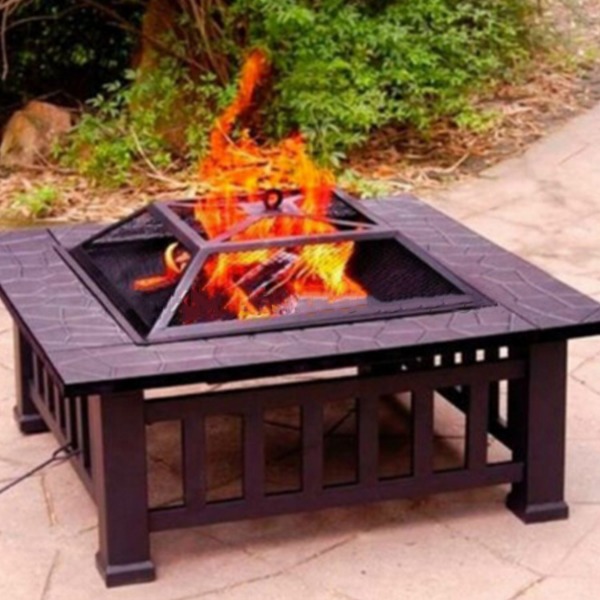
1. Why Does Flame Go Weak or Flicker?
Flame inconsistency on an outdoor grill or fire feature usually stems from one of several factors:
Blocked Burners or Ports – Grease, ash, or debris can clog gas grill burners over time. This restricts gas flow and leads to uneven flame patterns on an Outdoor BBQ Grill. Regular cleaning and brushing out clogged ports helps restore steady flames.
Venturi Tube Obstructions – On gas grills, insects or spider webs sometimes build nests in air intake tubes, which causes flame irregularity or difficulty igniting burners. Clearing these sections is an often overlooked maintenance step.
Fuel Issues – Low gas pressure (propane or natural gas) or an aging fuel tank may also result in weak flame outputs. Confirm fuel levels and check regulator connections before grilling.
2. Grease and Drip Trays Matter
One question many grill owners ask is why flames flare up dramatically or go out unpredictably. A common factor is grease buildup:
A full drip tray under the grill chamber can ignite and produce flare-ups that affect flame stability. Cleaning it often prevents these sudden changes in flame size and heat distribution.
Keeping trays clean isn’t just about air flow; it also reduces smoke and helps improve the overall cooking environment on your Outdoor BBQ Grill.
3. Weather and Environmental Factors
Outdoor cooking and fire pit use are influenced by elements you can’t control:
Wind and Airflow – A gusty day can push flames to one side or even extinguish them, both on grills and on a BBQ galore fire pit. Position your setup with prevailing wind direction in mind and consider wind guards or partial shelters where permitted.
Temperature Changes – Cold outdoor temperatures may affect how easily gas vaporizes, particularly with propane tanks. Warm the tank in shaded indirect sunlight before use for better flow.
4. Safety Practices for Flame Consistency
Inconsistent flame isn’t just an annoyance — it can be a sign of unsafe conditions. Fuel leaks or irregular combustion can increase fire risk. Always follow manufacturer guidance and good safety habits:
Avoid adding lighter fluid after ignition to gas grills, as this can cause unpredictable flare-ups or flame irregularities.
Place grills on stable, non-combustible surfaces and keep a fire extinguisher nearby in case of emergency.
Never leave a lit grill or fire pit unattended while cooking or warming up.
5. Simple Maintenance Tips You Can Do Today
Here’s a checklist you can use to improve flame performance:
Scrub grill grates and burners before every cook-out.
Clean out drip trays and grease catch pans regularly.
Check and clear any blockages in burner ports and air tubes.
Inspect fuel connections and hoses for wear or leaks.
Adjust grill positioning to minimize wind disruption.
Whether you’re grilling for a holiday feast or relaxing around a fire pit with family, understanding what affects flame behavior helps deliver more satisfying outdoor moments. Consistent flame and even heat from your Outdoor BBQ Grills or BBQ galore fire pit make cooking safer and more predictable.
Curious about how to improve your setup further? Stay tuned for more insights and tips on outdoor living and backyard cooking, tailored to help you enjoy every gathering with confidence.

Wuyi Qixing Machinery Technology Co., Ltd. is committed to providing high-quality, durable and environmentally friendly products for outdoor leisure and entertainment venues.
Further negotiation?
We are glad to hear from you.
* We promise never to disclose your privacy.

Building 3-4#, Wangzhai Village, Jiangnan Industrial District. Wangzhai Town, Wuyi, Jinhua City, Zhejiang, China.

+86-13967960360
+86-15258989007


© 2023 Wuyi Qixing Machinery Technology Co., Ltd.
Outdoor Leisure Products




 中文简体
中文简体 西班牙语
西班牙语 阿拉伯语
阿拉伯语


Contact Us