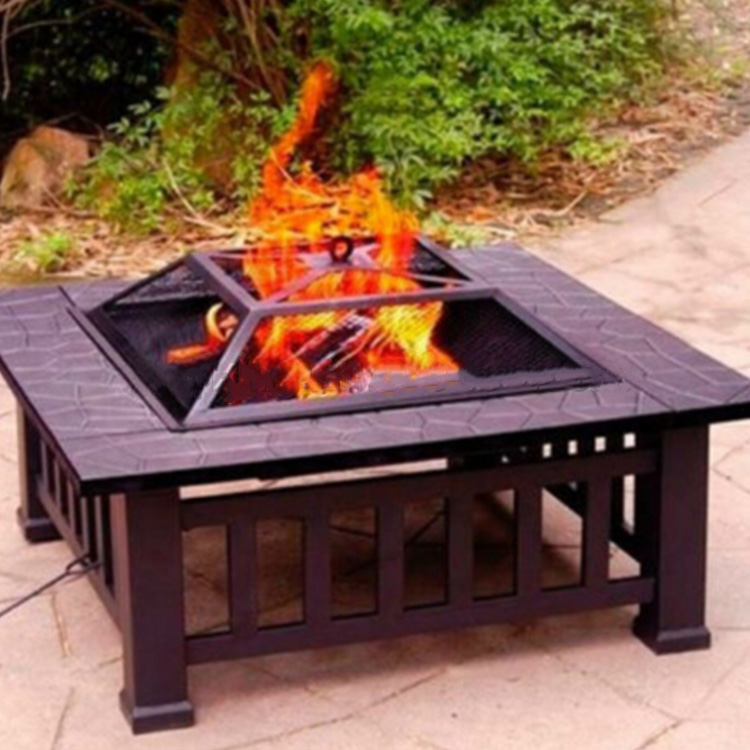
When you’re enjoying an evening outdoors, many people wonder whether a portable fire pit can actually double as an outdoor cooking fire pit and allow them to cook food directly over the flames or coals. This question comes up often among backyard enthusiasts and campers alike, especially from users who are curious about whether their fire pit setup can handle food preparation as well as warmth or ambiance. A portable fire pit can be a versatile piece of gear, but there are important considerations to make when thinking about using it for cooking and meal preparation.
Some users ask whether their portable fire pit is sturdy enough or safe enough to cook over, while others are more concerned about heat distribution and whether different types of fuel will affect the cooking quality. The reasons behind these questions are practical: people want to know how to use their gear efficiently, how to manage smoke and heat, and what techniques will help them prepare food safely and effectively.
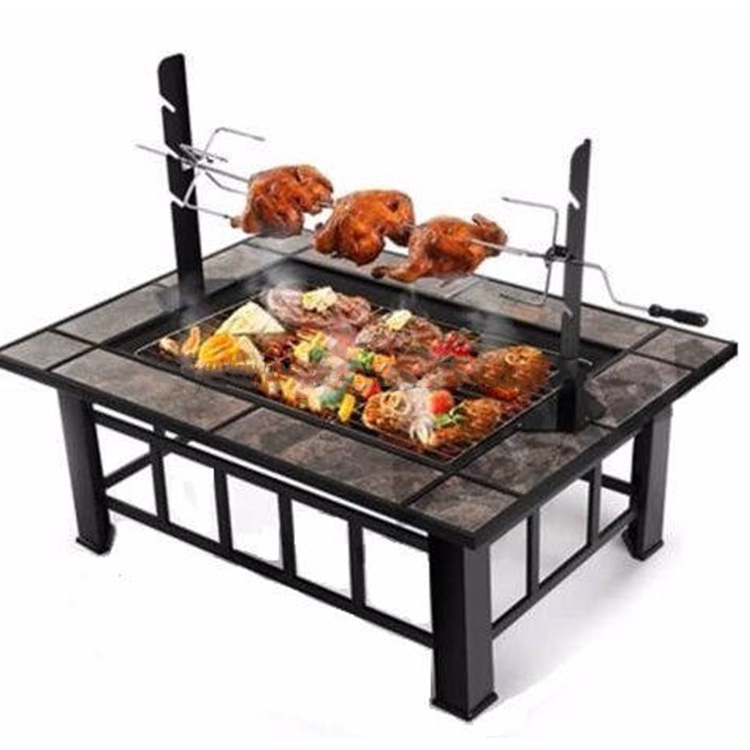
The type of fuel you choose has a big impact on how well your portable fire pit performs as an outdoor cooking fire pit. Traditional wood, especially hardwood such as oak or maple, tends to provide a good balance of heat and flavor for cooking. Hardwoods produce coals that burn steadily, making them well-suited for grilling or roasting over an open fire. Charcoal is another common choice among outdoor cooks because it burns hotter and with less smoke than many types of wood, though it can produce more ash and requires proper ventilation. Other options like wood pellets offer a cleaner burn and more consistent heat, which some find helpful when cooking outdoors.
Before you start cooking on your portable fire pit, make sure the setup is safe and practical. You’ll want to place the fire pit on a sturdy, non-flammable surface like pavers or a fireproof mat, especially if you’re on a deck or patio. Proper placement reduces the risk of heat damage or accidental fire spread. It’s also smart to clear away any loose debris around the pit, and create a perimeter that keeps children, pets, and flammable materials at a safe distance.
When your fire has burned down to a bed of glowing coals, that’s often the ideal time to cook. Flames can be unpredictable, and coals provide more even heat for tasks like grilling vegetables, roasting meats, or heating up cast iron pans. Tools like a grill grate or cooking tripod can make the setup much easier. Many people also carry long-handled utensils to help manage food safely over the fire.
A frequent misconception is that any portable fire pit automatically works well for cooking. This isn’t always true. Smaller, slender fire pits—or ones designed primarily for ambiance—may not generate enough consistent heat for proper cooking. Similarly, some fuels may burn too inconsistently, resulting in uneven heat distribution. Additionally, flare-ups from greasy foods can cause spills or scorching if not monitored closely. Always adjust your expectations and methods based on the specific fire pit model and the cooking task you’re attempting.
Safety is essential whenever flames and food prep combine. Avoid using accelerants like lighter fluid once you plan to cook, as that can create harmful fumes and affect the taste of your food. Make sure the fire isn’t too close to structures, and always have tools like heat-resistant gloves and fire extinguishing materials on hand. Regularly check that your fire pit components are in good condition, especially if you use it frequently for cooking.
With the right approach, your portable fire pit can transform into a satisfying outdoor cooking station. Whether you’re roasting marshmallows with friends or grilling a weekend dinner, understanding how heat, fuel, and setup affect performance will improve your results. At Wuyi Qixing Machinery Technology Co., Ltd., we’ve seen many users discover new ways to enjoy their fire pits—combining warmth and food prep in one convenient outdoor solution.

Wuyi Qixing Machinery Technology Co., Ltd. is committed to providing high-quality, durable and environmentally friendly products for outdoor leisure and entertainment venues.
Further negotiation?
We are glad to hear from you.
* We promise never to disclose your privacy.

Building 3-4#, Wangzhai Village, Jiangnan Industrial District. Wangzhai Town, Wuyi, Jinhua City, Zhejiang, China.

+86-13967960360
+86-15258989007


© 2023 Wuyi Qixing Machinery Technology Co., Ltd.
Outdoor Leisure Products




 中文简体
中文简体 西班牙语
西班牙语 阿拉伯语
阿拉伯语

Contact Us