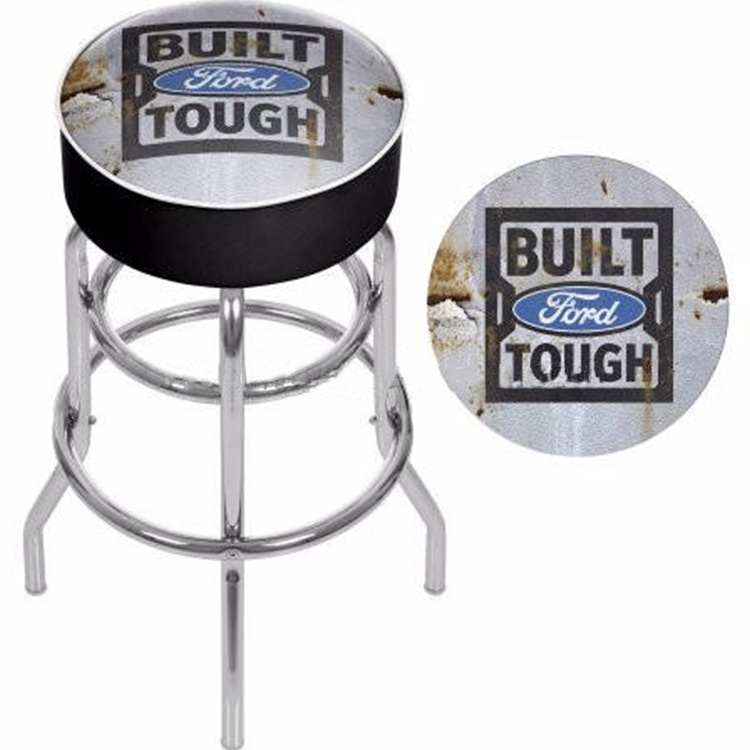
Transforming an underused corner into a functional and stylish seating area can dramatically elevate both residential interiors and commercial spaces. Introducing a small corner bar table complete with thoughtful seating like commercial bar stools helps maximize space and create inviting niches for dining, working, or socializing. Whether you’re working with a cozy home nook or designing a cafe corner, smart planning and design choices make all the difference. Here are creative ideas and practical tips to help you make more of your corner furniture setup.
Corners are often the more overlooked parts of a room, yet they hold potential for purposeful design. Instead of leaving them empty or cluttered, consider how a small corner bar table can redefine the area with purpose:
Corner Triangle Configuration: Turning an awkward corner into a triangular bar configuration makes clever use of space without interrupting walkways. A compact bar surface with stools tucked beneath provides both seating and utility within tight dimensions.
Wall‑Mounted or Fold‑Down Surfaces: For ultra‑small spaces, drop‑leaf or fold‑down bars mounted on walls allow you to fold away the surface when it’s not in use. This enables additional room for movement while still offering a functional corner setup when needed.
Window‑Bar Seating: Place a slim ledge or narrow counter below a window, using natural light to enhance the corner’s atmosphere. This works well with narrow stools that slide under the bar, maintaining a light and airy feel.
These layout approaches help you integrate the table and seating without overpowering a corner — especially useful if the area serves dual purposes, such as dining and work.
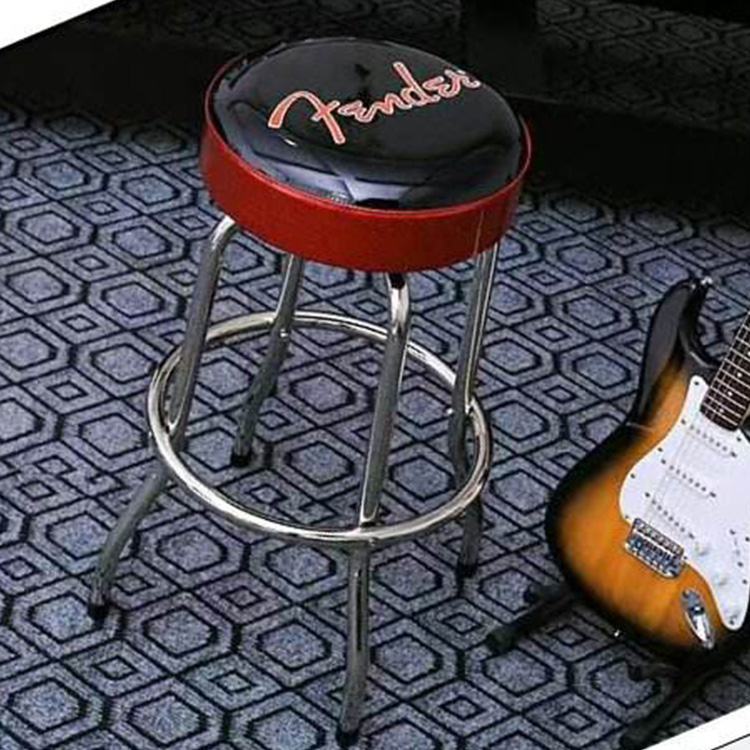
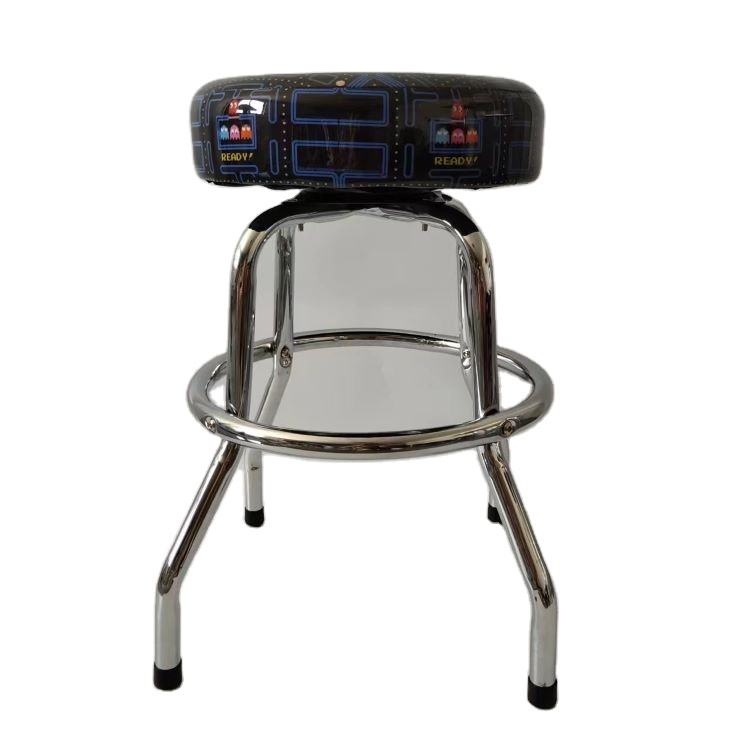
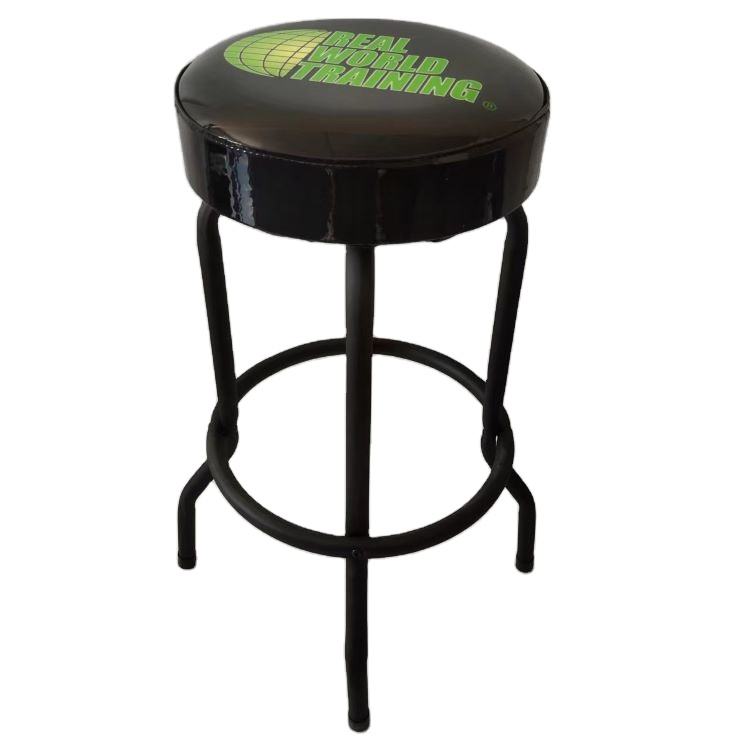
Once you’ve established the table position, selecting the right commercial bar stools makes the corner comfortable and visually cohesive. Consider these seating options:
Slim or Backless Stools: In compact corners, stools with a slender profile or those without backs take up less visual and physical space. They tuck neatly under the table when not in use, preventing obstruction.
Height‑Adjustable Stools: If ceiling heights, table surfaces, or room uses vary, adjustable stools offer flexibility and can be reconfigured for different occasions without buying multiple sets.
Material Harmony: Balance durability with aesthetics — metal frames pair well with industrial environments, while wooden or upholstered stools create warmth in home settings. High‑quality manufacturing ensures longevity, and companies like Wuyi Qixing Machinery Technology Co., Ltd. offer reliable solutions that withstand daily use.
Matching seating to the corner layout ensures the space stays functional and inviting rather than crowded.
Beyond placing the table and stools, you can further elevate your corner with vertical design enhancements that enhance both style and storage:
Floating Shelves: Installing staggered floating shelves above a corner bar allows you to store glassware, plants, or decorative items without taking up floor space. This vertical storage adds depth and personality while keeping essentials within reach.
Lighting and Accessories: Pendant lights or small sconces above the corner table create an intimate atmosphere. Lighting plays a vital role in drawing attention to the corner and making it a standout feature.
Mirrors and Visual Tricks: Adding a mirror or reflective surface behind the corner setup visually expands the room, making small spaces feel larger and more open.
These additional elements make the corner a purposeful design feature rather than an afterthought.
In small spaces, versatility is essential. Look for furniture that adapts to changing needs:
Mobile Bar Carts: A sleek corner bar cart not only provides a surface and storage but can be moved as needed, serving as additional prep space, a drinks station, or even a serving side table when guests arrive.
Built‑In Seating and Bench Options: For those who want built‑in seating, a shallow bench beside the corner bar table can add permanent seating without overwhelming the area.
Convertible Designs: Pieces that serve dual purposes — like a fold‑away corner table or a surface that doubles as a desk — help maximize utility in limited square footage.
This flexibility enhances the usefulness of a corner beyond just a bar or eating spot.
Ultimately, the key to successful corner seating design is balance. Prioritize both function and aesthetics in equal measure:
Proportion Matters: Ensure stools and table heights complement each other and the surrounding space, so seating feels comfortable without blocking movement.
Consistent Materials: Choosing materials and finishes that connect with your overall décor creates a cohesive look. Think about how metal stools contrast with wood tables or how upholstery adds texture.
User Experience initial: Whether you’re designing a home nook or a cafe corner, prioritize how people will use the space — ease of movement, comfort while seated, and accessibility.
With thoughtful design choices, even the more challenging corner can become a cozy, stylish, and functional part of your environment.
Corners no longer have to be awkward or underused. By applying smart design ideas around a small corner bar table and pairing the space with the right commercial bar stools, you can turn neglected areas into memorable focal points. Remember that practical planning combined with creative touches results in spaces that feel both intentional and welcoming — ideal for everyday use or special gatherings.

Wuyi Qixing Machinery Technology Co., Ltd. is committed to providing high-quality, durable and environmentally friendly products for outdoor leisure and entertainment venues.
Further negotiation?
We are glad to hear from you.
* We promise never to disclose your privacy.

Building 3-4#, Wangzhai Village, Jiangnan Industrial District. Wangzhai Town, Wuyi, Jinhua City, Zhejiang, China.

+86-13967960360
+86-15258989007


© 2023 Wuyi Qixing Machinery Technology Co., Ltd.
Outdoor Leisure Products




 中文简体
中文简体 西班牙语
西班牙语 阿拉伯语
阿拉伯语
Contact Us