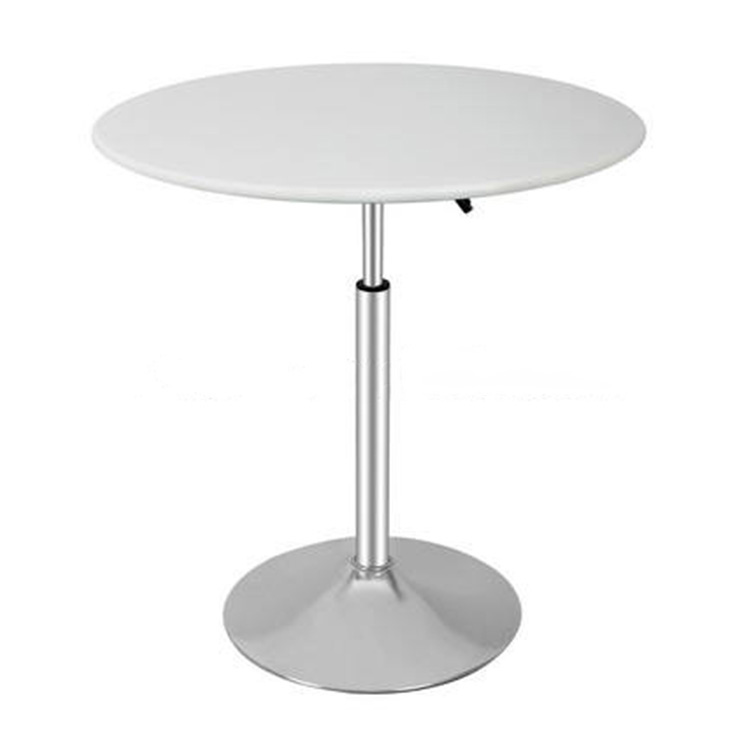
Choosing commercial bar stools that fit well with your countertop or bar surface isn’t just about choosing a style — it’s also about getting the sizing right. Even a visually appealing stool can feel awkward or uncomfortable if the height relationship between stool and table is off. Combine this with a small corner bar table setup and the challenges become even more pronounced: too tall, too short, or poorly matched seating can make the space feel cramped or uninviting. In this guide, we’ll break down the more important sizing tips to help you avoid common spacing issues that can impact comfort and usability.
When people talk about stools, height often gets overlooked until installation and seating reveal the problem. The key consideration is this: your stool seat height must create enough legroom below the table or counter without making the user feel perched or constrained. A widely accepted guideline is to leave approximately 10 to 12 inches of space between the commercial bar stool seat and the underside of the counter or bar surface — this ensures that knees and legs can rest comfortably without hitting the table edge.
For example, bar stools that are too tall under a regular counter will force users to tuck their knees awkwardly or hang their legs, which can cause discomfort after even short periods of sitting. On the other hand, stools that are too short can leave users slumped, stretching upward to reach their food or drink. These mismatches are especially noticeable in tighter installations, such as when positioning stools around a small corner bar table where space and movement are already limited.
One of the more basic sizing mistakes is confusing the concepts of “bar height” and “counter height.” These two standards aren’t interchangeable, and using the wrong type of commercial bar stools for your surface height can throw off comfort and aesthetics. Generally:
Bar‑height surfaces (typically around 40–42 inches high) are paired with stools that have seat heights of roughly 28–32 inches.
Counter‑height surfaces (about 34–36 inches high) are more comfortably paired with stools around 24–27 inches seat height.
Keeping these differences in mind helps avoid a common issue where well‑designed stools look out of place simply because they don’t align with the surface they accompany. This is especially relevant for small corner bar table layouts, where the table may not be a standard height — some designers even customize these tables to optimize space, making accurate height matching even more crucial.
To eliminate guesswork and post‑installation problems, here’s a practical step‑by‑step approach:
Measure the table or counter height from floor to the underside (not the top surface).
Subtract 10–12 inches to derive the ideal stool seat height for comfort.
Double‑check clearances if your corner installation has overhangs, cabinetry below, or foot rails — these can reduce usable leg space.
For instance, if the underside of your bar surface is 42 inches from the floor, stools with seats around 30 inches high will typically provide a comfortable fit. Conversely, if you’re working with a counter that’s 35–36 inches high, stools with seat heights closer to 24–26 inches are often preferable.
Failing to take these simple measurements beforehand is one of the more frequent sizing challenges talked about by homeowners and interior enthusiasts alike, causing returns, modifications, or awkward installations later.
Even with measurements in hand, some scenarios call for creative adjustments:
Crowded corners: In a small corner bar table setup, you may find standard spacing between stools and the table edge becomes tighter. Consider stools with slightly slimmer profiles or tapered bases to give users more room to slide in and out.
Mixed seating heights: Some bars and homes blend standard counter areas with elevated bar zones. In these cases, adjustable stools can help bridge multiple height requirements without purchasing distinct chair sets.
Footrest positioning: Stool models with footrests placed too high or low can disrupt comfort even if seat height itself is correct. Always test footrest height relative to where your feet will naturally fall when seated.
Choosing the right stool often means balancing aesthetic vision with ergonomic reality — and thoughtful planning before purchase avoids costly mistakes.
Sizing is only one part of the equation — material and build quality matter too. When selecting commercial bar stools for a high‑use environment like a restaurant, café, or even a frequently used home bar, durability becomes a priority. Stools with reinforced frameworks and quality seat materials can handle sustained wear without loosening or sagging, which also helps maintain consistent sizing over time.
For businesses sourcing seating, manufacturers like Wuyi Qixing Machinery Technology Co., Ltd. provide competitive customization options that ensure both structural integrity and height accuracy tailored to your corner installs and elevated bars alike.
With the right approach, chairs and table setups can feel natural and welcoming, making your space more enjoyable for everyone who uses it.

Wuyi Qixing Machinery Technology Co., Ltd. is committed to providing high-quality, durable and environmentally friendly products for outdoor leisure and entertainment venues.
Further negotiation?
We are glad to hear from you.
* We promise never to disclose your privacy.

Building 3-4#, Wangzhai Village, Jiangnan Industrial District. Wangzhai Town, Wuyi, Jinhua City, Zhejiang, China.

+86-13967960360
+86-15258989007


© 2023 Wuyi Qixing Machinery Technology Co., Ltd.
Outdoor Leisure Products




 中文简体
中文简体 西班牙语
西班牙语 阿拉伯语
阿拉伯语
Contact Us