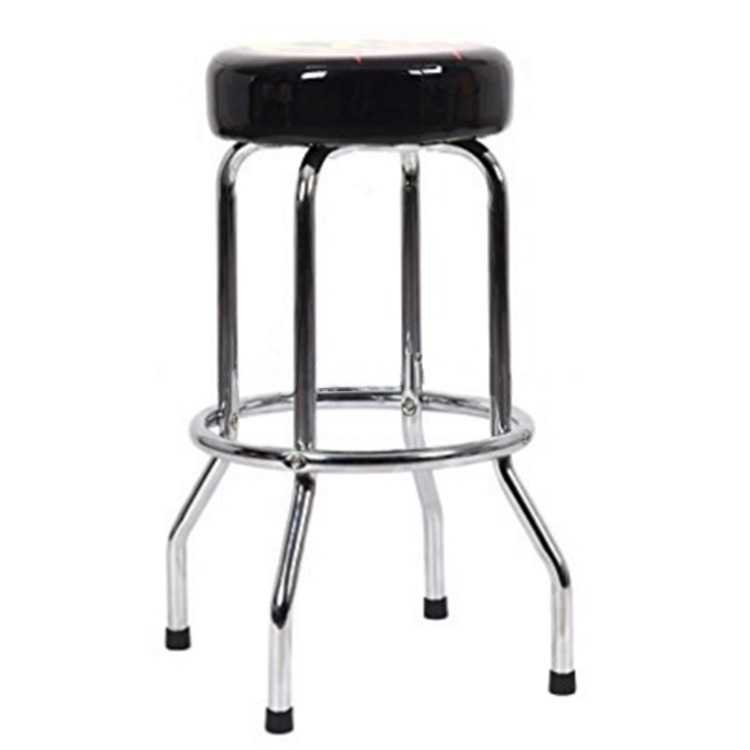
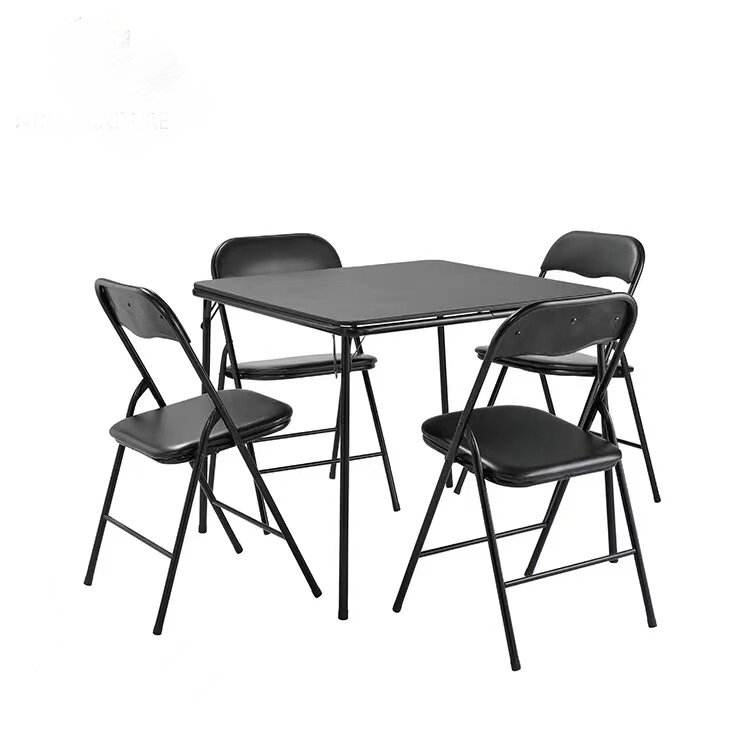
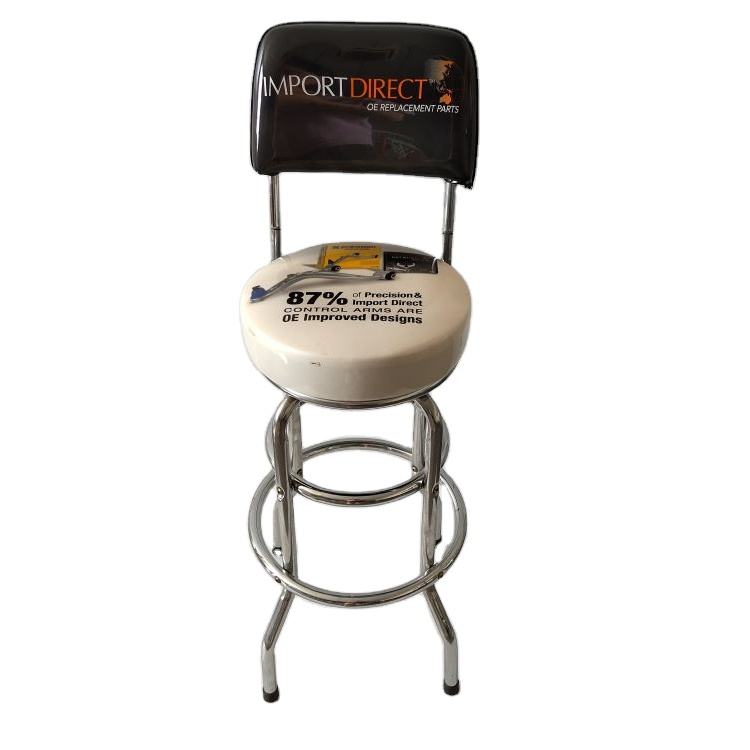
Outfitting a busy venue — whether it’s a café corner or a wider dining space with a small corner bar table — hinges on choosing the right commercial bar stools. Business owners frequently wonder about stool height, comfort, durability, and what features truly matter when selecting seating that fits both guests and tables.
One of the initial questions many business owners ask is how to match bar stools to their counter or table heights. Choosing the wrong height leads to discomfort and a seating layout that feels awkward rather than welcoming. A general rule of thumb is that your stool seat should be about 10–12 inches lower than the surface it sits under — this ensures adequate legroom and a natural seating posture.
Here are typical stool height guidelines for commercial settings:
Counter Stool Height (24″–26″ / ~61–66 cm): Works well with counters or tables around 35″–37″ high.
Bar Stool Height (29″–32″ / ~74–81 cm): Matches bars or high‑top tables that are 40″–42″ tall, common in restaurants and pubs.
Extra‑Tall Stools (33″–36″ / ~84–91 cm): Designed for unusually tall counters (44″–48″), sometimes seen in custom bars.
Getting this right improves seating comfort and prevents guests from feeling cramped or too distant from the table surface.
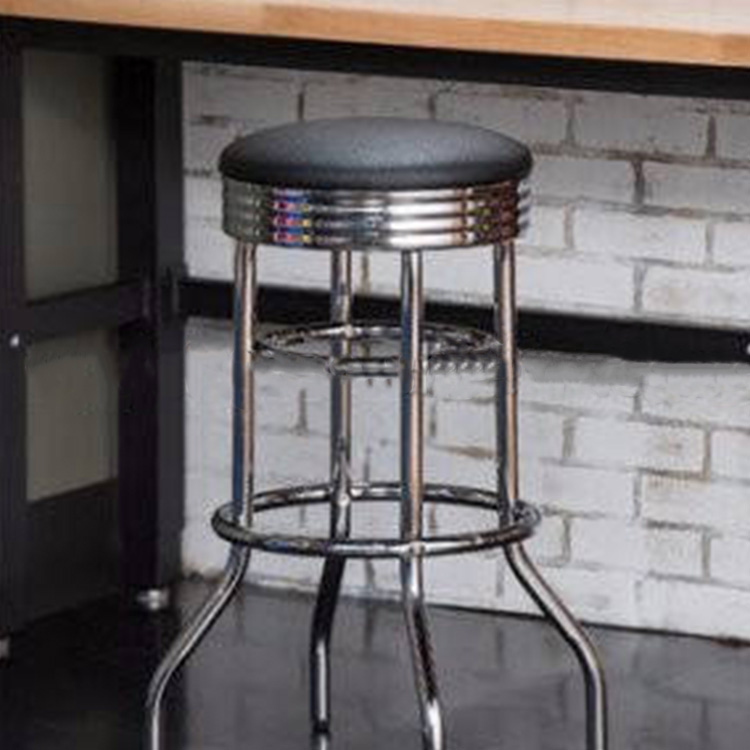
Once you know the right height, spacing matters too. Crowding stools together can make guests feel uncomfortable and impede movement, while too wide spacing wastes seating capacity. In more commercial layouts:
Aim for about 26″–30″ of horizontal space per stool when placing them along a bar or high table.
Leave at least 6″–10″ of space between adjacent stools so elbows don’t bump and guests can slide in and out easily.
Planning proper spacing helps your stools complement other fixtures, like a corner table, without overwhelming the space.
Comfort isn’t just a nice‑to‑have — for eateries and lounges where guests linger, seating comfort greatly influences how long patrons stay and whether they’ll return. Common comfort considerations include:
Footrests: Especially important for taller stools, footrests help guests maintain a relaxed posture over longer stays.
Back Support: Stools with backrests are generally more welcoming for diners, whereas backless stools may work in casual, quick‑serve spaces.
Swivel vs Fixed Seats: Swiveling stools make turning and exiting easier, but fixed designs often offer greater long‑term durability in heavy‑use environments.
Assessing how long and how frequently guests will be seated helps clarify which features matter more for your specific venue.
Commercial use demands materials that balance durability, ease of maintenance, and style. Choosing materials that fit your theme — whether sleek metal for a modern bar or warm wood for a café corner — is essential, but so is ensuring they hold up to daily use.
Metal frames often offer nice strength and simple cleaning.
Wood finishes bring visual warmth but may need occasional refinishing or protective treatments in heavy traffic zones.
Upholstered seats can boost comfort but should use commercial‑grade fabrics that resist wear and stains.
Reliable manufacturers such as Wuyi Qixing Machinery Technology Co., Ltd. can provide seating solutions that strike this balance, ensuring quality construction that suits both high‑use bar areas and flexible setups around small tables.
If your space has varying counter heights — for example, a high bar area and a lower corner table — adjustable stools offer flexibility. They allow staff to reconfigure seating for events or different customer groups. However, adjustable mechanisms may require more maintenance than fixed stools, which often have sturdier construction and fewer moving parts to wear out.
Deciding between adjustable or fixed seating often comes down to how versatile you need your seating layout to be versus how much maintenance you’re prepared to manage.
Investing in seating that balances these factors not only enhances the comfort and experience for your guests but also helps your venue operate more efficiently in the long run. By considering each of these elements, you can craft an inviting environment that supports both your business goals and your customers’ expectations.

Wuyi Qixing Machinery Technology Co., Ltd. is committed to providing high-quality, durable and environmentally friendly products for outdoor leisure and entertainment venues.
Further negotiation?
We are glad to hear from you.
* We promise never to disclose your privacy.

Building 3-4#, Wangzhai Village, Jiangnan Industrial District. Wangzhai Town, Wuyi, Jinhua City, Zhejiang, China.

+86-13967960360
+86-15258989007


© 2023 Wuyi Qixing Machinery Technology Co., Ltd.
Outdoor Leisure Products




 中文简体
中文简体 西班牙语
西班牙语 阿拉伯语
阿拉伯语
Contact Us