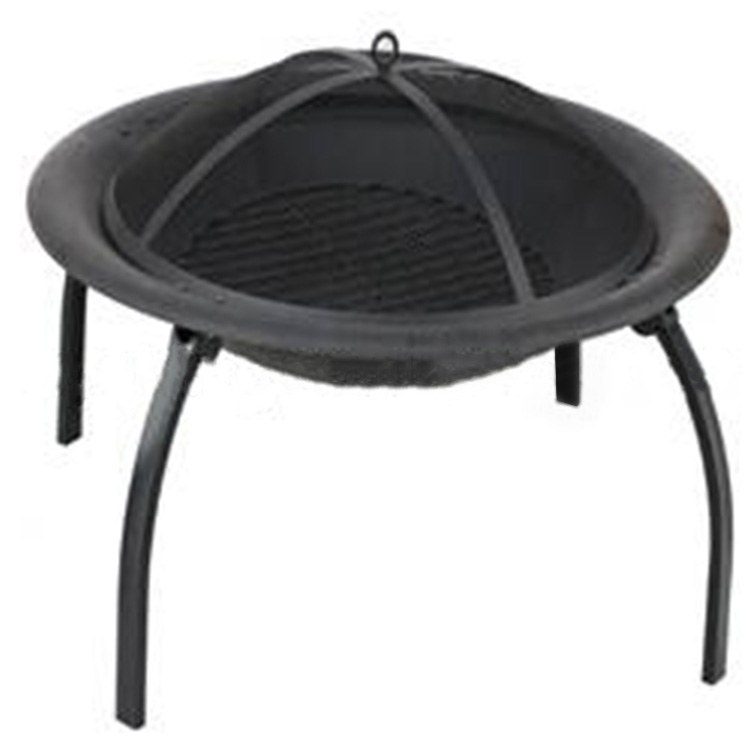
A portable fire pit is a popular choice for people looking to enjoy warmth, ambiance, and sometimes cooking outside, but many users frequently ask where it’s actually permitted to light one up. Likewise, those interested in using an outdoor cooking fire pit often want to know which spaces and settings allow such usage without violating local rules or park regulations. The answer isn’t universal — allowable use depends on the specific location, local government or land management agency rules, and current fire danger conditions.
In many urban and suburban neighborhoods, homeowners can use a portable fire pit in their backyard or on a patio, as long as local ordinances are followed. For instance, in some jurisdictions, recreational fire pits must be placed on a non-combustible surface and kept at least 15 feet from structures or combustible materials like decks or fences, and even further (25 feet or more) in some communities.
This means that setting up your fire pit on a concrete patio or gravel area is typically more acceptable than placing it on bare grass or a wooden deck without protective measures. Portable fireplaces and pits are usually fine outdoors, but must be attended at all times and kept clear of overhanging trees or bushes.
Local homeowner associations may also have their own guidelines or restrictions, so it’s wise to check these before planning regular use. In some multi-family or rental properties, landlords or HOA rules may prohibit open-flame devices altogether — particularly on balconies or under covered spaces where fire safety is a concern.
Many campers want to know if they can bring and use their own portable fire pit at state parks, national parks, or campgrounds. The short answer is: it varies by park and current conditions.
At many campgrounds, portable fire pits are allowed in established fire rings or pits provided by the campsite management. Some park authorities prefer you to use existing fire facilities to reduce damage to vegetation and soil, and to improve safety.
If you bring a portable fire pit, plan on placing it inside the designated fire ring or grate rather than setting it up elsewhere on the campsite floor — many rangers enforce this to prevent any chance of fire spreading or vegetation dying underneath.
State parks sometimes allow grills and portable propane fire devices even during times when wood-burning fire pits are restricted — particularly if there is a burn ban in effect due to dry conditions. Some parks permit propane or gas-powered cooking appliances because they can be quickly turned off and pose less risk.
However, national parks and forest lands can be stricter, especially in high-fire-risk seasons. In parts of Minnesota and other states, fires are only permitted in established fireplaces or fire rings provided for the purpose, and portable wood fires may be restricted entirely during fire caution periods.
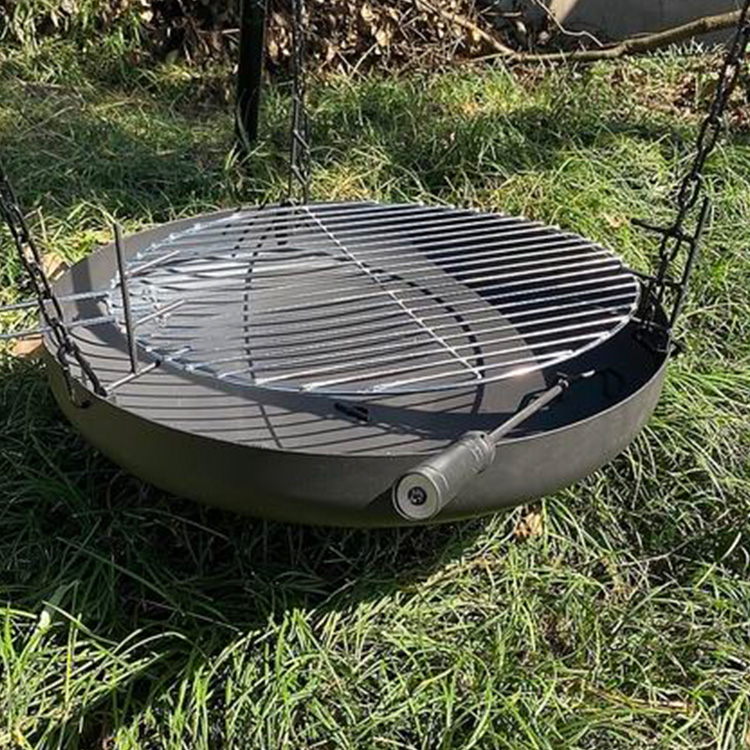
In public beaches or park picnic areas, rules tend to be very specific. Some beaches allow only designated fire rings or grills and prohibit open fires or personal fire pits unless explicitly permitted. Portable propane burners may be allowed where established fire rings are unavailable — but this depends on local agency rules and current fire hazard status.
In busy public parks or local city spaces, some ordinances also prohibit use on sidewalks, public pathways, or right of ways to protect safety and accessibility. Residential fire pit guidelines often state a distance not just from structures, but also from neighboring property lines and public areas.
An important factor affecting where portable fire pits can be used is the presence of burn bans or fire danger warnings. Many fire districts and state agencies issue “red flag” alerts or burn bans when fire risk is high. During such periods, even permitted fire pits — including those used for cooking — may not be allowed.
This is especially relevant for wood-burning fire pits, which can throw embers and increase wildfire risk during dry, windy conditions. Propane units or other gas appliances are sometimes exempted from the strictest bans, but users must always check local advisories before planning any fire activity.
Here are some key points users have raised about where they can safely and legally enjoy their portable fire pits:
Always check with local fire authorities or park staff before use — rules vary by city, county, and park management.
Place fire pits on stable, non-flammable surfaces and keep them well clear of structures and vegetation.
During high fire danger or air quality advisories, postpone fire activities or use alternatives like propane appliances that may be permitted.
In crowded parks or campgrounds, use provided fire rings unless you have permission to place your portable unit inside them.
Understanding where a portable fire pit or outdoor cooking fire pit is allowed to be used requires awareness of both local regulations and current fire conditions. Taking the time to check rules ahead of time not only keeps you compliant but also ensures the safety of your family and surroundings. Brands like Wuyi Qixing Machinery Technology Co., Ltd. support users with clear product safety guidelines that help in choosing the right fire pit model and using it responsibly wherever permissible.
By staying informed and prepared, you can enjoy cozy evenings and outdoor meals with confidence knowing you’re within the boundaries of local fire use rules.

Wuyi Qixing Machinery Technology Co., Ltd. is committed to providing high-quality, durable and environmentally friendly products for outdoor leisure and entertainment venues.
Further negotiation?
We are glad to hear from you.
* We promise never to disclose your privacy.

Building 3-4#, Wangzhai Village, Jiangnan Industrial District. Wangzhai Town, Wuyi, Jinhua City, Zhejiang, China.

+86-13967960360
+86-15258989007


© 2023 Wuyi Qixing Machinery Technology Co., Ltd.
Outdoor Leisure Products




 中文简体
中文简体 西班牙语
西班牙语 阿拉伯语
阿拉伯语

Contact Us