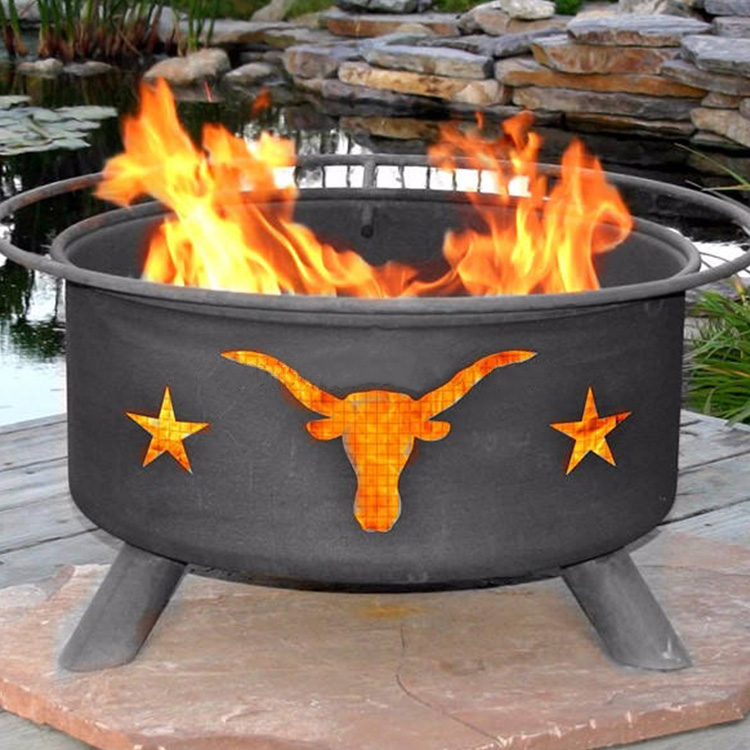
One question that comes up often among outdoor enthusiasts is whether a portable fire pit creates too much smoke, especially for gatherings, camping trips, or casual cookouts. Similarly, users considering an outdoor cooking fire pit sometimes worry that smoke will linger, bother guests, or interfere with cooking. The amount of smoke produced depends on several factors — including fuel choice, fire setup, airflow design, and maintenance — so understanding what actually causes smoke can help you minimize it effectively.
Smoke is a natural byproduct of combustion, but excessive smoke indicates that the fire isn’t burning as cleanly or efficiently as it could be. One of the primary causes of smoke in a fire pit is wet or unseasoned wood. Wood with high moisture content can’t burn completely, and instead of producing heat it releases water vapor and smoke as the moisture evaporates. Properly dried firewood typically contains less than 20 % moisture; burning this type of wood helps reduce smoke significantly.
Another factor is poor airflow and fire pit design. If a fire pit has walls that trap heat or lacks adequate ventilation, the fire struggles to draw in enough oxygen. This leads to incomplete combustion and a smoky, smoldering fire rather than a hot, clean burn. Fire pits that are too deep or have obstructed vents can create this problem even with good fuel.
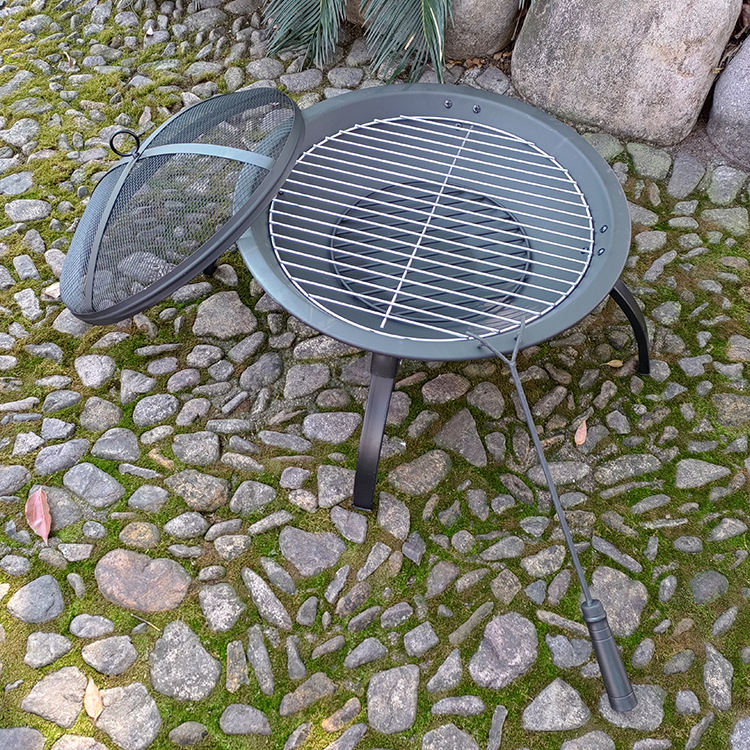
Many users report mixed experiences with smoke. Some outdoor campers describe fires that quickly fill their campsite with smoke, often due to using improperly dried wood or building the fire without leaving enough space for airflow between logs. Others share that smaller sparks or embers can be irritating or cause smoke to drift into nearby seating areas, especially on breezy days. Real stories from outdoor forums highlight how easily smoke can become a nuisance — in some cases even blowing into nearby homes and causing discomfort.
Reducing smoke from your fire pit doesn’t require special tools — often it comes down to preparation and technique:
Use Seasoned Wood: As mentioned, dry wood burns cleaner and hotter. Green wood or wood that hasn’t fully dried tends to steam and smoke. Choosing wood that’s been properly seasoned is one of the more effective ways to reduce smoke.
Build a Good Fire: Arrange wood so there’s plenty of space for air to circulate. Fire structures like teepee or log cabin stacks allow oxygen to feed the flame more effectively, encouraging complete combustion and less smoke.
Clean the Fire Pit: Ash buildup and leftover debris can block airflow at the bottom of the pit. Removing ash before each use helps maintain proper oxygen flow, which reduces lingering smoke.
Choose the Right Location: Wind can blow smoke toward people, so positioning your fire pit in a sheltered spot can enhance comfort. On mild breezy days, seating upwind from the fire can help guests avoid smoke in their faces.
Some fire pits are engineered for better airflow and combustion, which can help with smoke. Features like built-in air vents at the base or sides promote oxygen circulation, making the fire burn hotter and cleaner. Pits with shallow bowls and proper ventilation reduce the tendency to trap smoke inside. In contrast, poorly designed pits that prevent heat from rising smoothly tend to produce more smoke, even with dry wood.
For those particularly concerned about smoke, there are smokeless fire pit designs that enhance airflow and burn more efficiently. While these are not entirely smoke-free, they significantly reduce smoke compared to traditional pits by optimizing combustion — although proper fuel and fire management still matter.
Using an outdoor cooking fire pit adds another dimension. Smoke can affect the taste of food, and too much smoke can make grilling or roasting uncomfortable. By using well-seasoned hardwood and maintaining a strong, hot fire, you not only reduce smoke but also create a more stable cooking environment. Additionally, tools like a grill grate positioned above hot coals rather than open flames help keep smoke from reaching food directly.
It’s important to balance smoke concerns with safety. Any open fire should be monitored, placed away from structures and vegetation, and used in accordance with local fire regulations. Even fire pits designed for low smoke are still open flames and require the usual precautions such as having water or a fire extinguisher nearby. Planning seating and activities according to prevailing wind direction can make gatherings more pleasant and comfortable.
So, do portable fire pits smoke too much? The answer is: it depends on how you use them. Smoke isn’t inherently unavoidable, but it often results from wet fuel, poor fire building, or inadequate airflow. With proper wood, fire setup, and pit design, you can minimize smoke and enjoy the warmth and ambiance of your fire pit without discomfort. Whether using a fire pit mainly for ambiance, heat, or as an outdoor cooking fire pit, understanding the causes of smoke — and how to address them — makes every outdoor experience more enjoyable.
By combining thoughtful preparation with smart choices, you can have a fire that’s both cozy and considerate of the people around you. For users looking to enhance their fire pit experience or find models that burn cleaner, resources and accessories from providers like Wuyi Qixing Machinery Technology Co., Ltd. can offer helpful options and tips to make outdoor gatherings more pleasant.

Wuyi Qixing Machinery Technology Co., Ltd. is committed to providing high-quality, durable and environmentally friendly products for outdoor leisure and entertainment venues.
Further negotiation?
We are glad to hear from you.
* We promise never to disclose your privacy.

Building 3-4#, Wangzhai Village, Jiangnan Industrial District. Wangzhai Town, Wuyi, Jinhua City, Zhejiang, China.

+86-13967960360
+86-15258989007


© 2023 Wuyi Qixing Machinery Technology Co., Ltd.
Outdoor Leisure Products




 中文简体
中文简体 西班牙语
西班牙语 阿拉伯语
阿拉伯语

Contact Us