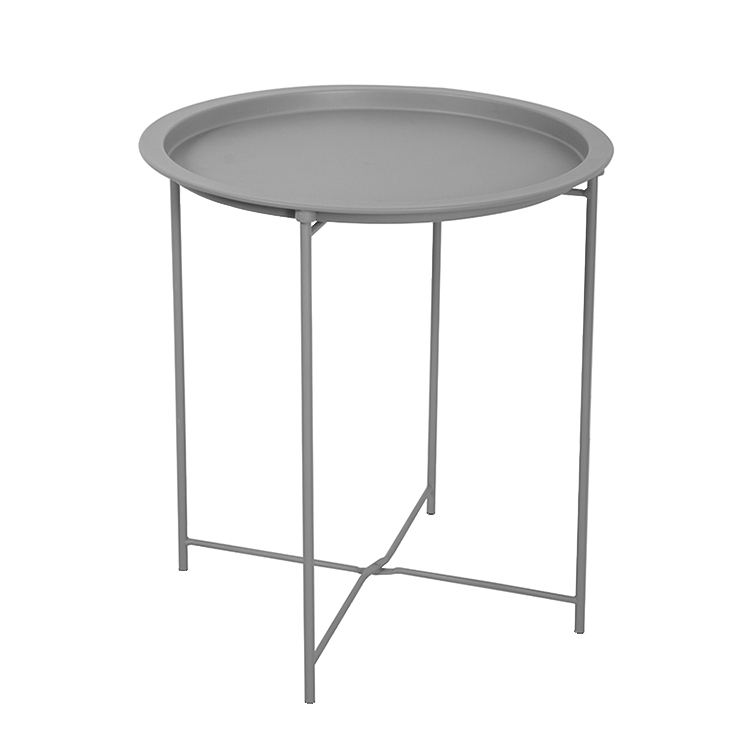
Spaces used for meetings, events, training, dining, and temporary activities often need to change their layouts throughout the day. Furniture must be easy to arrange, practical to store, and suitable for repeated handling. For distributors, rental businesses, hospitality operators, and commercial procurement teams, choosing a Wholesale Folding Table And Chair supplier involves more than comparing unit prices. The real challenge is finding products that balance usable space, structural stability, handling convenience, and consistent manufacturing quality.
A folding table should provide enough usable surface area for its intended purpose without making the surrounding space difficult to navigate. Event organizers may need broad tables for shared activities, while training rooms and temporary work areas may benefit from narrower configurations.
Manufacturers should consider tabletop dimensions, leg placement, and the clearance required for users to sit or move around the furniture. Buyers should also evaluate how tables and chairs work together, especially when products will be arranged in rows or placed in rooms with limited floor space. Reviewing the planned layout before ordering can help avoid selecting furniture that is difficult to use in practice.
The main advantage of folding furniture is its ability to change from a usable setup to a compact storage configuration. However, this convenience depends on the design of the hinges, locking parts, leg connections, and moving components.
For a folding table, the legs should open and close in a controlled manner and remain securely positioned during use. Folding chairs also need a mechanism that allows practical operation without creating unnecessary looseness. During product development, manufacturers should assess movement, alignment, locking engagement, and signs of interference throughout repeated operation.
Folded dimensions influence how efficiently furniture can be stored in warehouses, delivery vehicles, and commercial facilities. A product that occupies less space when folded may help buyers organize inventory or prepare furniture for transport, although actual savings depend on the product design and packing arrangement.
Before placing a wholesale order, procurement teams should review:
These details help buyers evaluate the practical logistics of an order instead of focusing only on the price of each item.
Folding furniture may be used in indoor meeting rooms, outdoor gatherings, temporary dining areas, or multipurpose commercial spaces. These environments place different demands on the tabletop, frame, joints, and surface finish.
Manufacturers should select materials according to the intended application, expected handling, and maintenance requirements. Buyers can compare frame construction, tabletop material, edge finishing, and resistance to ordinary wear. If products will be used outdoors, the suitability of the materials and finishes for the expected exposure should be confirmed rather than assumed from appearance alone.
Portable furniture needs to remain stable during normal use, even when it is moved frequently between locations. Uneven leg contact, loose joints, poorly aligned frames, or an ineffective locking mechanism can affect the user's experience and create potential safety concerns.
When assessing a sample, buyers should check that the table stands evenly on a suitable surface, the chair opens fully, and the folding components engage as intended. Manufacturers should establish inspection procedures for frame alignment, connection points, locking parts, and finished-product condition. Appropriate load and stability testing should also reflect the product's intended use.
A sample may meet expectations, but commercial buyers often need multiple units with consistent dimensions, appearance, and operating characteristics. Differences between production batches can complicate distribution, replacement planning, and customer service.
Manufacturers can reduce these issues by maintaining approved specifications and checking incoming materials, assembly quality, folding operation, and final appearance. Before production begins, buyers should confirm model details, color options, packaging requirements, and inspection expectations. Clear communication at this stage helps establish a common reference for repeat orders.
A suitable Wholesale Folding Table And Chair range should support the way furniture is arranged, handled, stored, and maintained in its intended environment. Table dimensions, folding mechanisms, frame construction, material selection, and packaging all contribute to the overall purchasing decision.
For overseas distributors and commercial buyers, discussing the application, expected handling frequency, storage limitations, and order requirements with a manufacturer can make product selection more precise. A manufacturer that connects design decisions with practical use and consistent production quality can help buyers build a folding furniture range suited to changing commercial needs.

Wuyi Qixing Machinery Technology Co., Ltd. is committed to providing high-quality, durable and environmentally friendly products for outdoor leisure and entertainment venues.
Further negotiation?
We are glad to hear from you.
* We promise never to disclose your privacy.

Building 3-4#, Wangzhai Village, Jiangnan Industrial District. Wangzhai Town, Wuyi, Jinhua City, Zhejiang, China.

+86-13967960360
+86-15258989007


© 2023 Wuyi Qixing Machinery Technology Co., Ltd.
Outdoor Leisure Products




 中文简体
中文简体 西班牙语
西班牙语 阿拉伯语
阿拉伯语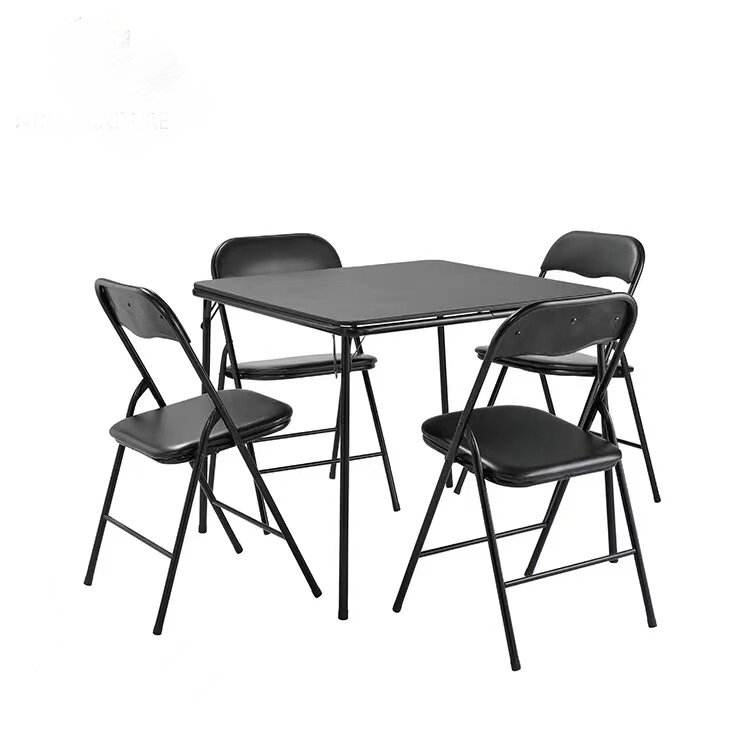
Contact Us