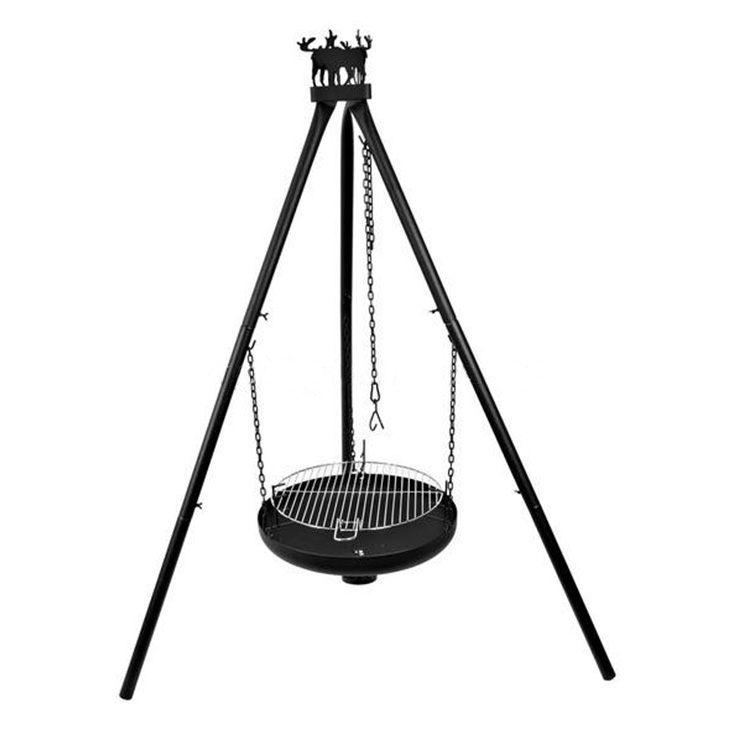
When people discuss outdoor cooking fire pit setups, the topic of heat control is always at the center—especially for those using a grillz fire pit for weekend gatherings, camping trips, or backyard cooking. Many users want to understand whether cooking over hot coals or an open flame delivers better results, and the truth is that each method has its own advantages depending on the food, the setup, and the fire pit design.
Cooking Over Hot Coals
Hot coals remain a preferred method for many outdoor grill users. Once the flames settle, coals generate stable, even heat that lasts longer and is easier to control. When cooking meat, vegetables, or delicate items, even heat helps avoid burning the surface while leaving the inside undercooked.
Advantages:
Steady and predictable heat
Lower risk of flare-ups
Ideal for grilling chicken, steak, fish, and skewers
Better for beginners who want consistent cooking temperature
Challenges:
Requires waiting time for flames to settle
Slightly longer preparation time
Users must maintain airflow to keep coals alive
Cooking Over Open Flame
Open flames deliver higher, more direct heat, which is useful for quick searing, boiling, and heating larger cookware. When using a grillz fire pit with a raised grate, flames can create a desirable smoky flavor and quick charring.
Advantages:
High heat for searing
Faster cooking time
Strong smoky flavor
Good for cast-iron pots and quick outdoor meals
Challenges:
Harder to control
Higher chance of burning food
Not ideal for slow cooking

Different meals require different types of heat. Users frequently ask which approach enhances flavor while maintaining good cooking control. Here is a simple breakdown:
nicely for Coals
Burgers
Vegetables
Seafood
Chicken wings
Pancakes or flatbreads on a griddle
nicely for Flames
Boiling soups or water
Searing steaks
Roasting marshmallows
Large pots for camping meals
Quick stir-fries in cast iron
With both heat methods, cooking height also matters. Adjustable grates, foldable stands, and multi-level structures—commonly used in products from Wuyi Qixing Machinery Technology Co., Ltd.—allow users to raise or lower their food to control cooking intensity.
A well-designed fire pit greatly affects the outcome of your cooking. Users often ask why some fire pits produce hotter, cleaner burns compared to others. The answer lies in:
Material Quality
Thick steel or iron retains heat better and distributes heat more evenly. Cheaper, thin materials cool quickly and may warp over time.
Airflow Design
Air holes and bottom vents allow oxygen to circulate, making the fire burn more efficiently. Better airflow = better heat.
Shape
Bowl-shaped pits: good for directing heat upward
Cylinder pits: better airflow and high flames
Wide pits with larger grates: ideal for group cooking
Well-engineered airflow systems help maintain stable coals while preventing excessive smoke—something users appreciate during long outdoor cooking sessions.
Preheat the Grill Grate
Heating the grate helps prevent sticking and creates cleaner grill marks.
Use Dry Wood or Charcoal
Wet wood produces smoke and inconsistent heat.
Leave Space Between Foods
Crowding traps moisture and reduces browning.
Wear Heat-Resistant Gloves
Fire pit cooking exposes the hands to high temperatures; proper tools make cooking safer and more enjoyable.
Keep a Lid or Mesh Cover Handy
Useful for controlling flare-ups when flames rise too high.
Outdoor cooking is meant to be relaxing and enjoyable. With the Correct setup and understanding of how heat behaves, a fire pit becomes a reliable cooking companion for family gatherings, camping weekends, or simple backyard dinners.

Wuyi Qixing Machinery Technology Co., Ltd. is committed to providing high-quality, durable and environmentally friendly products for outdoor leisure and entertainment venues.
Further negotiation?
We are glad to hear from you.
* We promise never to disclose your privacy.

Building 3-4#, Wangzhai Village, Jiangnan Industrial District. Wangzhai Town, Wuyi, Jinhua City, Zhejiang, China.

+86-13967960360
+86-15258989007


© 2023 Wuyi Qixing Machinery Technology Co., Ltd.
Outdoor Leisure Products




 中文简体
中文简体 西班牙语
西班牙语 阿拉伯语
阿拉伯语


Contact Us