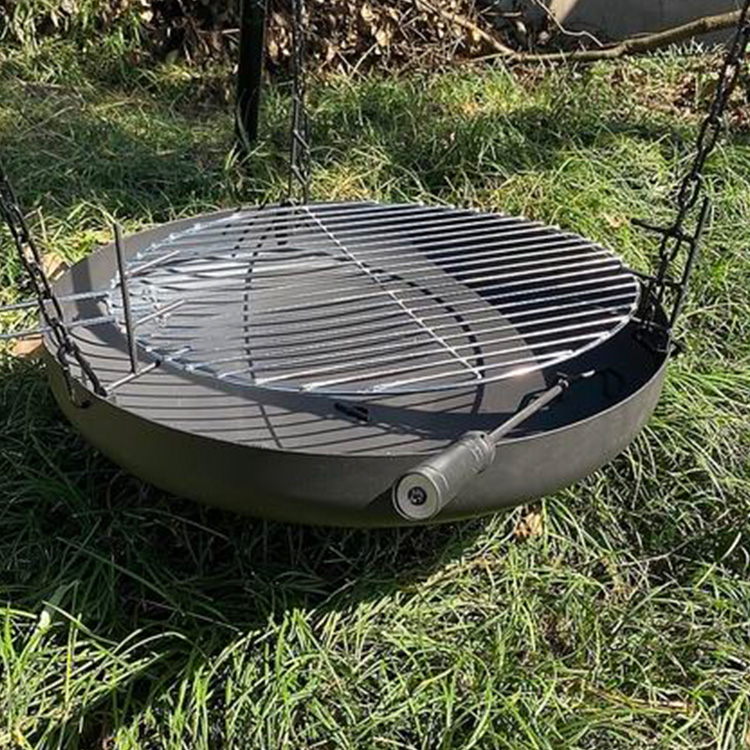
Keeping an outdoor cooking fire pit in good condition requires more than occasional cleaning. Many users of grillz fire pit products often discover rust, discoloration, or weakened metal after frequent cooking sessions or seasonal storage.
1. Why Metal Fire Pits Are Prone to Rust
Rust occurs when metal reacts with oxygen and moisture. Even thick steel structures can develop corrosion if not properly protected.
Common Causes of Rust on Fire Pit Grills
Leaving the fire pit outdoors without a cover
Storing it in humid environments
Not cleaning grease and ash promptly
Rain or morning condensation
Incomplete drying after washing
High-heat cooking that wears off protective coatings
Understanding these causes helps users take simple steps that significantly reduce rusting.
2. Clean After Every Use: The initial Line of Defense
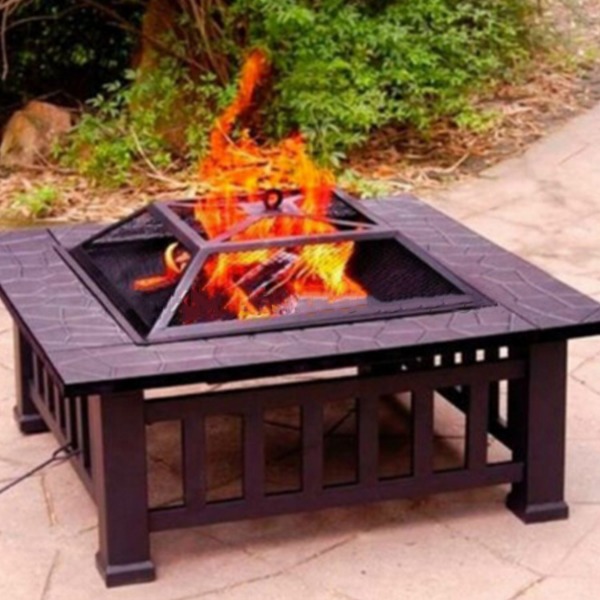
Many users underestimate the importance of immediate cleaning after cooking. A grillz fire pit used for meat, vegetables, or fatty foods often collects grease that becomes acidic over time. Combined with ash, this creates a corrosive layer.
Essential Cleaning Steps
Allow the fire pit to cool completely.
Remove ashes; they retain moisture and accelerate corrosion.
Scrub the grate using a stiff brush.
Wipe down metal surfaces with a soft cloth.
Dry thoroughly to prevent water spots from forming rust patches.
For fire pits designed by Wuyi Qixing Machinery Technology Co., Ltd., the surfaces are engineered to resist heat and wear, but cleaning remains a key maintenance step.
3. Seasoning the Grill Grate Like Cast Iron
Seasoning is one of the more effective ways to protect metal surfaces from rust. Like cast-iron skillets, grill grates benefit from a thin layer of oil heated onto the surface, forming a protective film.
How to Season Your Fire Pit Grate
Clean the grate completely.
Apply a thin layer of high-smoke-point oil (e.g., canola, avocado).
Place the grate over medium heat for 15–20 minutes.
Allow it to cool naturally.
This creates a natural coating that prevents moisture from reaching the metal and improves cooking performance by minimizing sticking.
4. Use a Weather-Resistant Cover or Store Indoors
Even the strongest metal fire pit will rust if left unprotected through heavy rain or humid conditions. A proper cover prolongs the life of the fire pit significantly.
Ideal Storage Methods
Use a fitted, breathable weatherproof cover.
Store in a dry shed or garage when not in use.
Elevate the base on wood or stone to avoid ground moisture.
Never store the fire pit while damp.
These steps reduce environmental exposure, preventing rust and structural damage.
5. Managing Ash and Moisture
Ash might look harmless, but it is one of the biggest contributors to metal corrosion. When ash absorbs humidity, it becomes alkaline, which eats away at steel.
Tips for Ash Management
Empty ash after each cooking session.
Never wash the fire pit while ash remains inside.
Keep the ash pan dry.
Proper ash disposal keeps the fire pit clean and prevents hidden moisture buildup.
6. Inspect for Early Rust Spots and Treat Immediately
Small rust spots can be restored easily, but if ignored, they spread quickly.
How to Treat Minor Rust
Scrub the area gently with fine sandpaper or a steel brush.
Wipe clean to remove residue.
Apply high-temperature paint or a metal protectant spray.
Re-season the grate if necessary.
Regular inspections help prevent structural weakening and maintain safe cooking conditions.
7. Avoid Harsh Chemicals or Abrasive Cleaners
Some cleaning products damage metal coatings. Strong chemicals strip protective layers and accelerate rust.
Avoid Using
Instead, choose mild soap, warm water, and soft brushes.
As a manufacturer focusing on durable outdoor equipment, Wuyi Qixing Machinery Technology Co., Ltd. has seen how proper maintenance dramatically extends the lifespan and cooking quality of fire pits.

Wuyi Qixing Machinery Technology Co., Ltd. is committed to providing high-quality, durable and environmentally friendly products for outdoor leisure and entertainment venues.
Further negotiation?
We are glad to hear from you.
* We promise never to disclose your privacy.

Building 3-4#, Wangzhai Village, Jiangnan Industrial District. Wangzhai Town, Wuyi, Jinhua City, Zhejiang, China.

+86-13967960360
+86-15258989007


© 2023 Wuyi Qixing Machinery Technology Co., Ltd.
Outdoor Leisure Products




 中文简体
中文简体 西班牙语
西班牙语 阿拉伯语
阿拉伯语

Contact Us