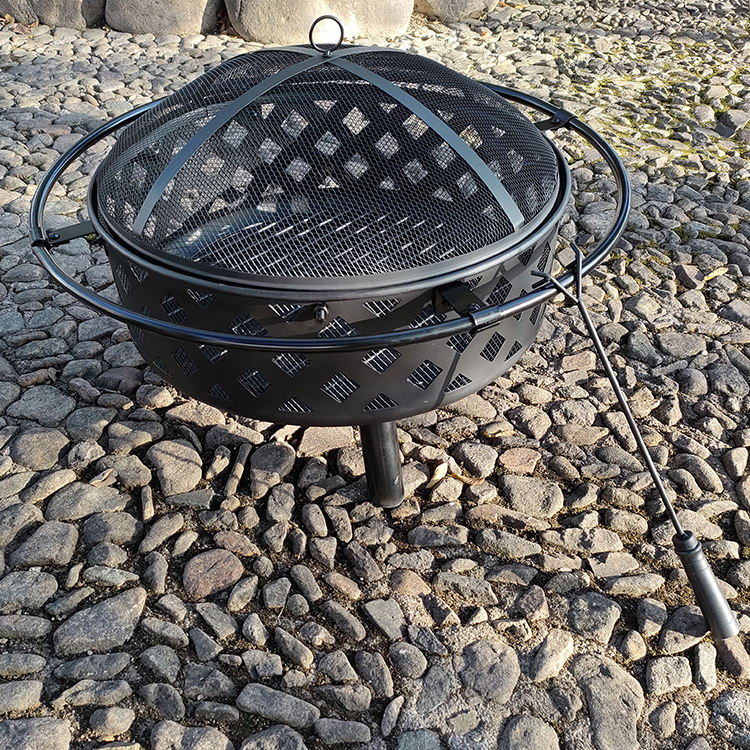
Many people who own an outdoor cooking fire pit eventually wonder whether an older unit can still be used safely and effectively. After years of cooking, exposure to weather, and seasonal storage, a grillz fire pit may show signs of wear such as rust, discoloration, weakened grates, or reduced stability. These issues often cause users to ask whether an old fire pit is still suitable for grilling or if it should be replaced.
1. Understanding How Fire Pits Age Over Time
Fire pits are exposed to intense heat, moisture, ash, and grease throughout their lifespan. These elements gradually break down metal surfaces and structural components.
Common Signs of Aging
Surface rust
Warping or bending
Loose or weak legs
Thinning metal
Cracked grates
Ash buildup in corners
Damaged coatings
Not all signs mean the fire pit is unusable, but they help owners evaluate whether maintenance or replacement is needed.
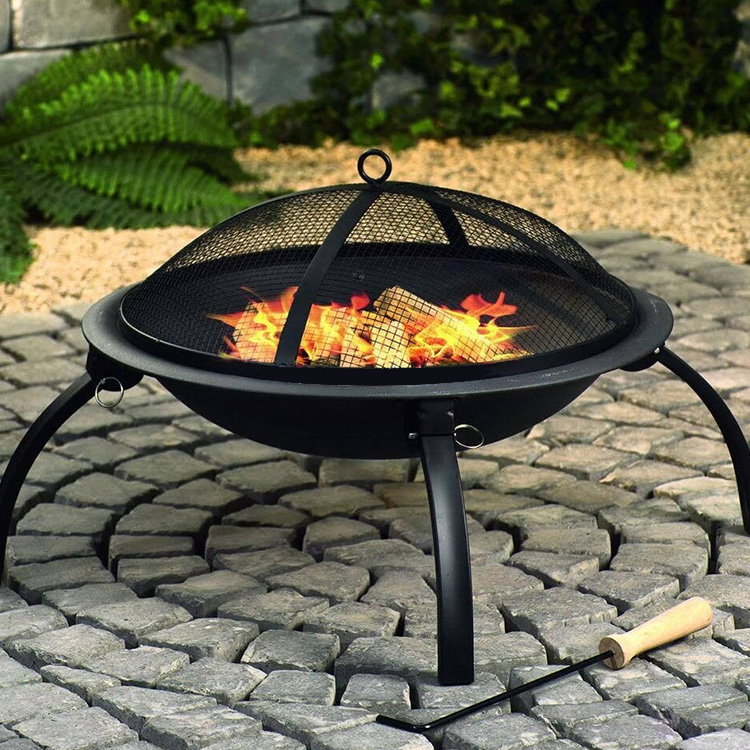
2. Structural Safety Comes initially
Before deciding to use an older fire pit, the more important factor is structural safety. An outdoor cooking fire pit must remain sturdy enough to support cookware, burning wood, and the weight of a cooking grate.
Check the Following Areas
Legs and base support: Ensure no parts wobble or feel unstable.
Fire bowl thickness: Look for overly thin areas, cracks, or holes.
Grate stability: Ensure the cooking grate can handle weight without bending.
Welded joints: Inspect for separation or gaps.
If any structural parts are unsafe, the fire pit should not be used for cooking.
3. Rust: When It’s Okay and When It’s a Problem
Aging fire pits commonly develop rust due to moisture and ash exposure. Not all rust is harmful; surface rust can often be cleaned or sanded away.
Minor Rust (Safe with Maintenance)
Light orange or brown patches
Rough texture on the surface
Small areas that do not affect thickness
These can be cleaned easily and treated with high-temperature coatings or seasoning.
Severe Rust (Unsafe)
Holes in the bottom or side walls
Rust flakes falling off
Metal that bends easily under pressure
Deep corrosion around the legs or handles
Severe rust compromises structural strength and may cause collapse during cooking.
4. Grate Condition Matters for Cooking Safety
The cooking grate faces direct heat and contact with food, so its condition is essential for hygiene and cooking performance.
Grate Problems to Evaluate
Bent bars: A warp may cause food to slide or cook unevenly.
Cracked welds: A broken weld can cause part of the grate to collapse.
Excessive rust: Heavy rust can transfer particles to food.
Thin metal rods: Over time, high heat may cause rods to become fragile.
If the grate is damaged, replacing just the grate may still allow the fire pit to be used safely.
5. Heat Distribution and Cooking Performance
Older fire pits may lose heat efficiency due to thinning metal, loss of coating, or ash buildup in places the user cannot easily reach.
Signs of Reduced Cooking Efficiency
Longer time to reach cooking temperature
Uneven heat across the grate
Difficulty maintaining coals
Excess smoke due to restricted airflow
Regular cleaning, ash removal, and grate seasoning can help restore some performance.
6. When Repairing an Old Fire Pit Is Worth It
Many older grillz fire pit models can be restored with simple maintenance. This is useful for owners who prefer repair over replacement.
Repairable Issues
Surface rust
Worn paint or coating
Loose screws
Dirty or greasy surfaces
Clogged ventilation holes
Simple tools such as a wire brush, high-heat paint, new bolts, and mild cleaning agents can refresh the fire pit.
As a company deeply involved in manufacturing outdoor leisure equipment, Wuyi Qixing Machinery Technology Co., Ltd. has gathered valuable insights into how fire pits age and what signs users should look for before continuing to cook with older equipment.

Wuyi Qixing Machinery Technology Co., Ltd. is committed to providing high-quality, durable and environmentally friendly products for outdoor leisure and entertainment venues.
Further negotiation?
We are glad to hear from you.
* We promise never to disclose your privacy.

Building 3-4#, Wangzhai Village, Jiangnan Industrial District. Wangzhai Town, Wuyi, Jinhua City, Zhejiang, China.

+86-13967960360
+86-15258989007


© 2023 Wuyi Qixing Machinery Technology Co., Ltd.
Outdoor Leisure Products




 中文简体
中文简体 西班牙语
西班牙语 阿拉伯语
阿拉伯语
Contact Us