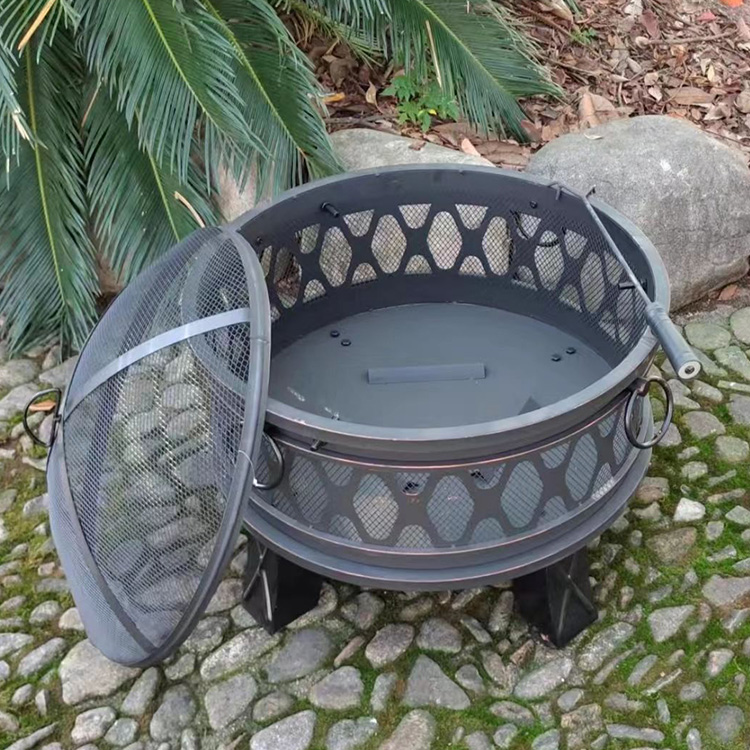
Choosing the Correct cookware is just as important as selecting a reliable outdoor cooking fire pit. Many users who enjoy grilling, stewing, and open-flame cooking with their grillz fire pit often ask what type of pot, pan, or grill vessel is safe and effective. The choice depends on material, size, cooking method, food type, and compatibility with fire pit heat.
1. Understanding the Heat Nature of Fire Pit Cooking
Unlike indoor stoves with controlled temperatures, fire pits produce dynamic, uneven heat. Flames change with fuel type, wind direction, and airflow. Because of this, not all cookware can withstand the conditions.
What Makes Fire Pit Heat Different
Heat rises directly and intensely
Temperature zones change quickly
Wood-burning fire pits create variable flame height
Coal-based pits produce radiant, long-lasting heat
Edges of the fire pit are cooler than the center
The cookware chosen must adapt to these temperature shifts without warping or burning.

2. Cast Iron Pots: Durable and Reliable
One of the more recommended options for fire pit cooking is cast iron due to its heavy-duty build and good heat retention.
Advantages of Cast Iron
Withstands high heat
Cooks food evenly
Ideal for stews, soups, meats, and baking
Long lifespan with proper seasoning
Recommendations
Choose pots with thick walls
Opt for cast iron with lid handles that tolerate heat
Avoid enamel-coated cast iron directly on flames
Cast iron performs consistently whether you’re simmering sauces or slow-cooking meat.
3. Stainless Steel Pots: Lightweight and Versatile
Stainless steel is another popular choice for use with a grillz fire pit. It is lighter than cast iron, more portable, and easier to clean.
Benefits of Stainless Steel
Great for boiling water, making soup, or steaming
Resists corrosion
Faster to heat up
Compatible with more cooking methods except direct flame broiling
Ideal Usage
Pasta, vegetables, broths
Multi-ingredient meals with frequent stirring
Camping situations requiring lightweight gear
Stainless steel works nicely when placed over coals rather than intense direct flames.
4. Carbon Steel: A Balanced Choice Between Cast Iron and Stainless Steel
Carbon steel cookware offers the heat performance of cast iron but with lighter weight.
Strengths of Carbon Steel
Heats quickly and evenly
Suitable for frying and sautéing
Develops natural non-stick properties through seasoning
nicely Uses
Stir-fry meals
Pancakes or crepes
Fast-cooking meat cuts
This material adapts well to both flame and coal heat.
5. Avoid Thin Aluminum or Non-Stick Coatings
Thin, lightweight cookware is convenient indoors but not suitable for fire pit use. Many users mistakenly bring everyday kitchen pots outdoors, only to damage them.
Why They’re Unsuitable
Thin metals warp easily
Non-stick coatings degrade under high heat
Handles melt or loosen
Uneven cooking leads to burned food
Using incompatible cookware can also be a safety hazard.
6. Matching Cookware Size to Your Fire Pit
The diameter and height of your pot should match the size of your outdoor cooking fire pit. Oversized pots block airflow, while undersized ones—especially those with small bases—may tip over.
Correct Size Selection
Choose pots that sit firmly on the cooking grate
Avoid cookware that extends far outside the flame area
Ensure handles remain accessible
Allow space for stirring and checking food
Good sizing supports stable cooking and heat control.
7. Lids, Handles, and Accessories Matter
Cookware features are often overlooked but play a major role in outdoor cooking safety.
Look For
Heat-resistant metal handles
Tight-fitting lids to retain heat
Hanging loops for camp-style cooking
Foldable handles for portability
Avoid plastic handles or rubber grips, which may melt near the fire.
With years of product experience, Wuyi Qixing Machinery Technology Co., Ltd. has observed how using the Correct cookware dramatically improves results, reduces safety issues, and enhances the outdoor cooking experience.

Wuyi Qixing Machinery Technology Co., Ltd. is committed to providing high-quality, durable and environmentally friendly products for outdoor leisure and entertainment venues.
Further negotiation?
We are glad to hear from you.
* We promise never to disclose your privacy.

Building 3-4#, Wangzhai Village, Jiangnan Industrial District. Wangzhai Town, Wuyi, Jinhua City, Zhejiang, China.

+86-13967960360
+86-15258989007


© 2023 Wuyi Qixing Machinery Technology Co., Ltd.
Outdoor Leisure Products




 中文简体
中文简体 西班牙语
西班牙语 阿拉伯语
阿拉伯语
Contact Us